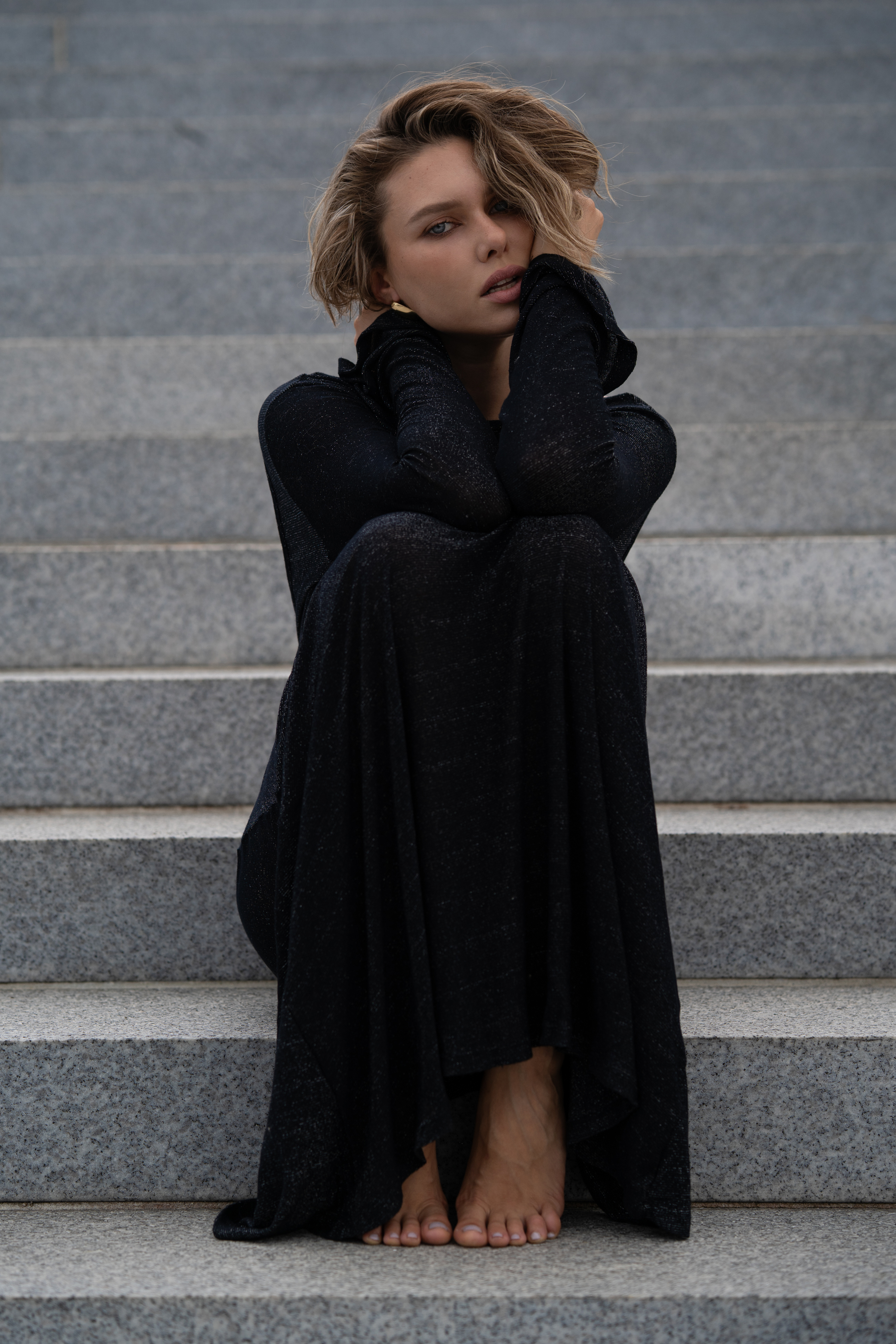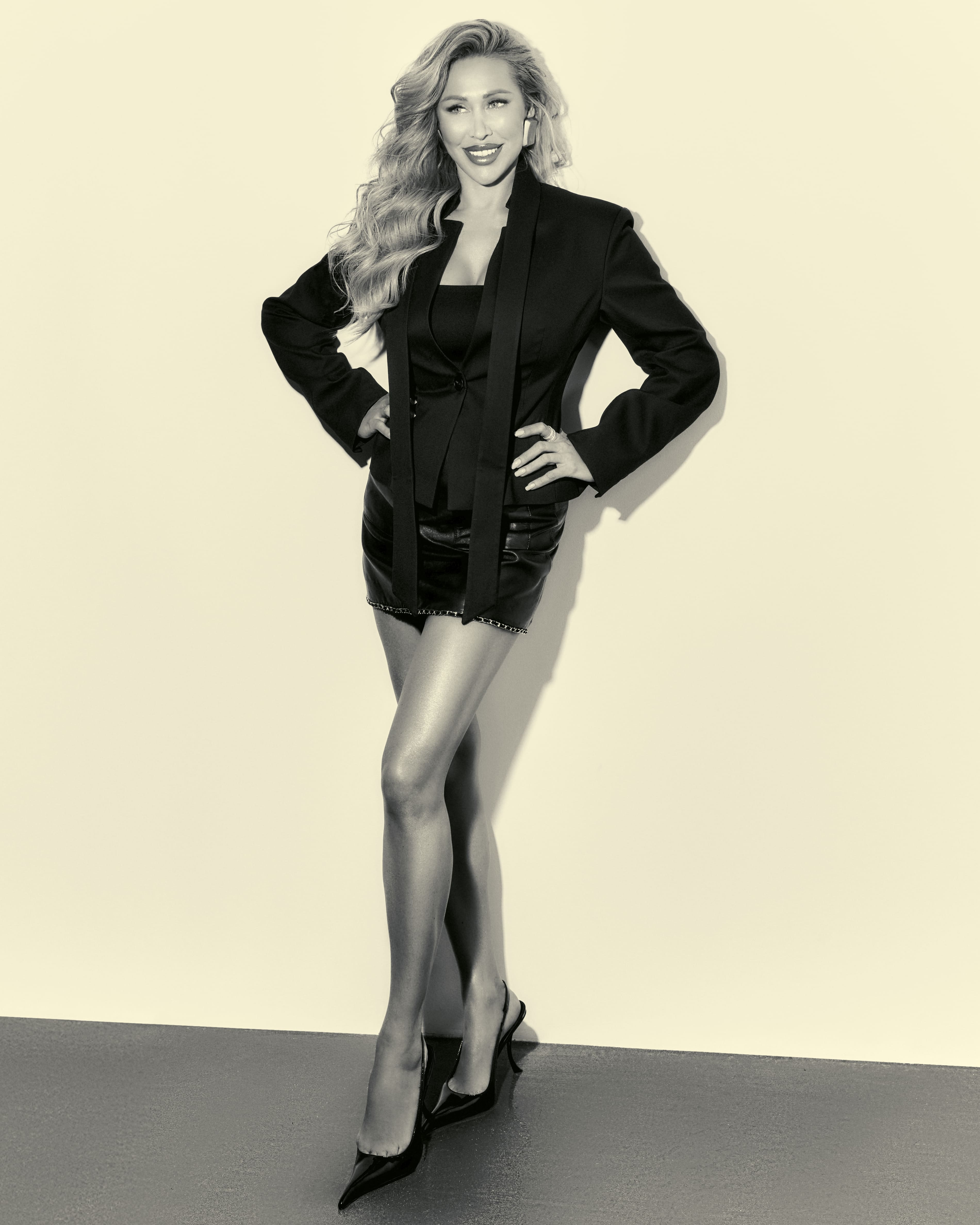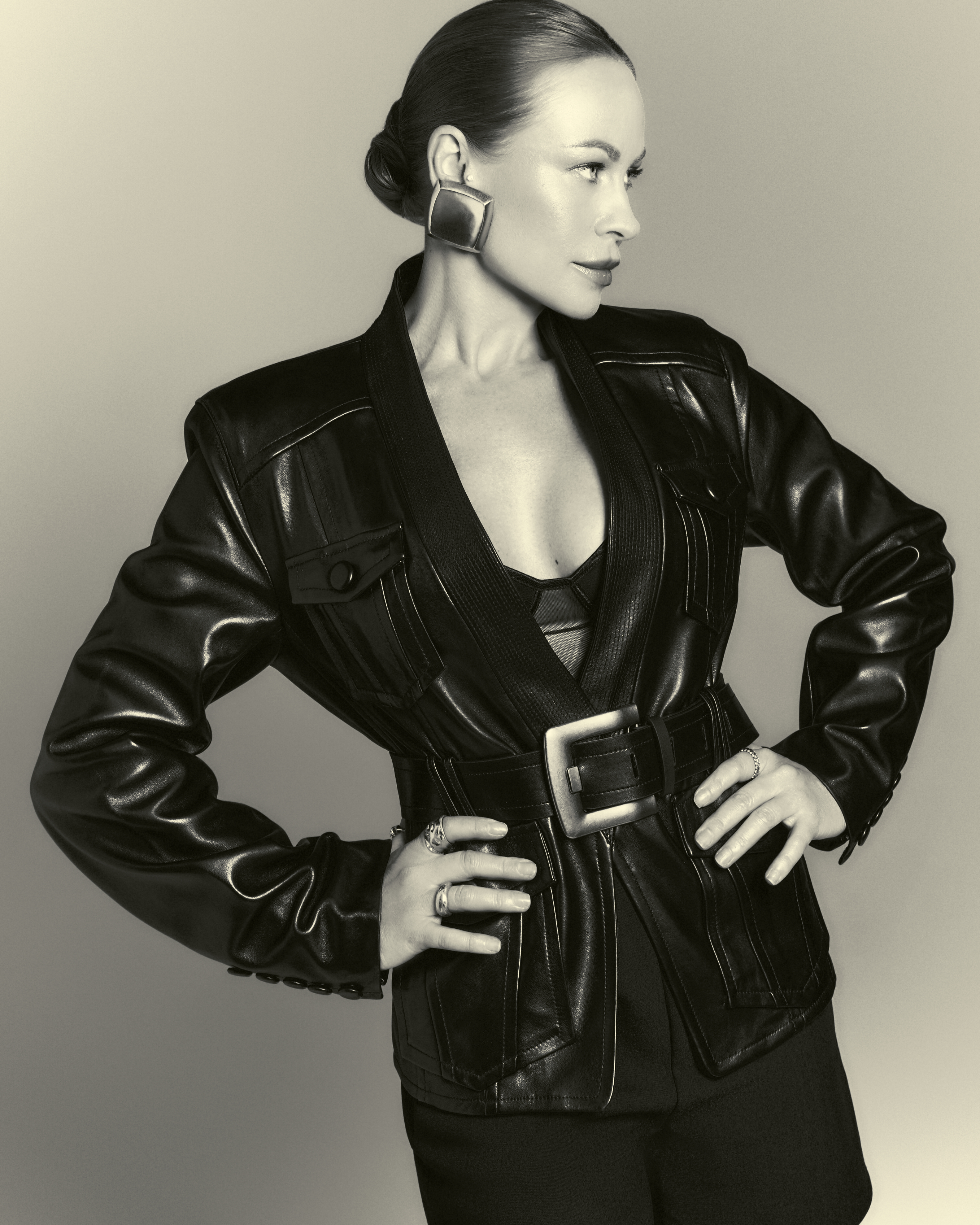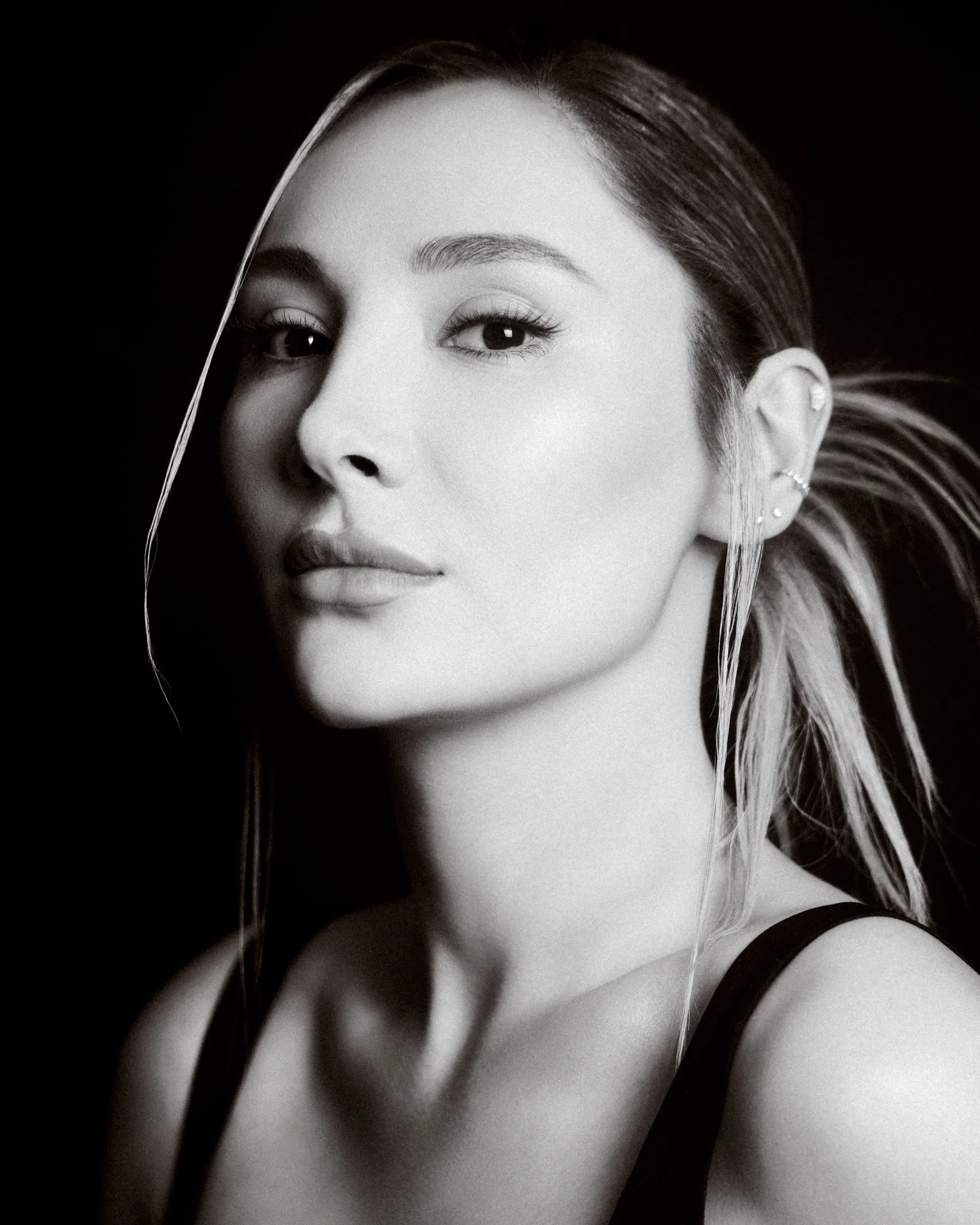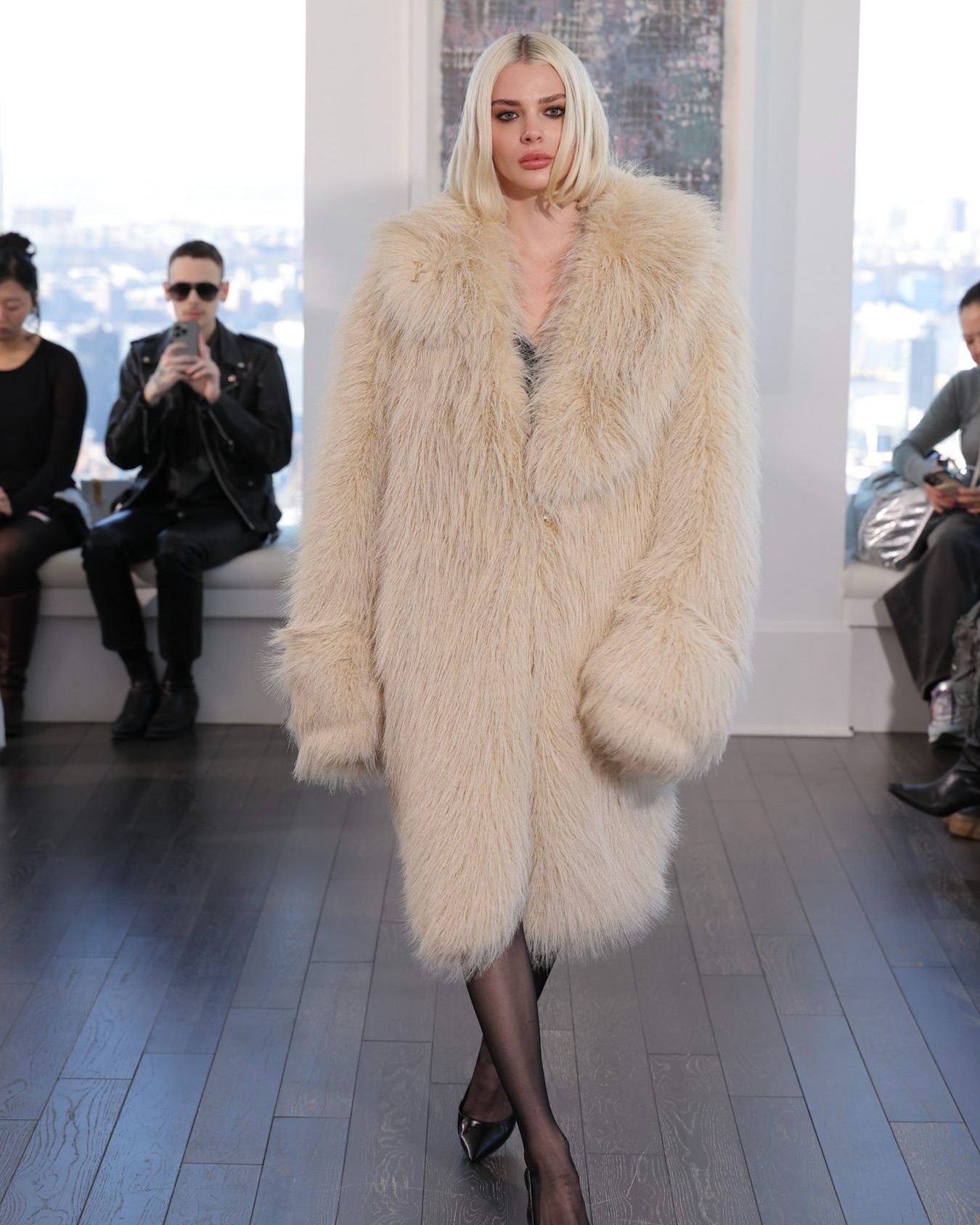
The story of Katerina Sparkish is a rare example of how discipline, talent, and an inner voice can merge into one clear creative trajectory.
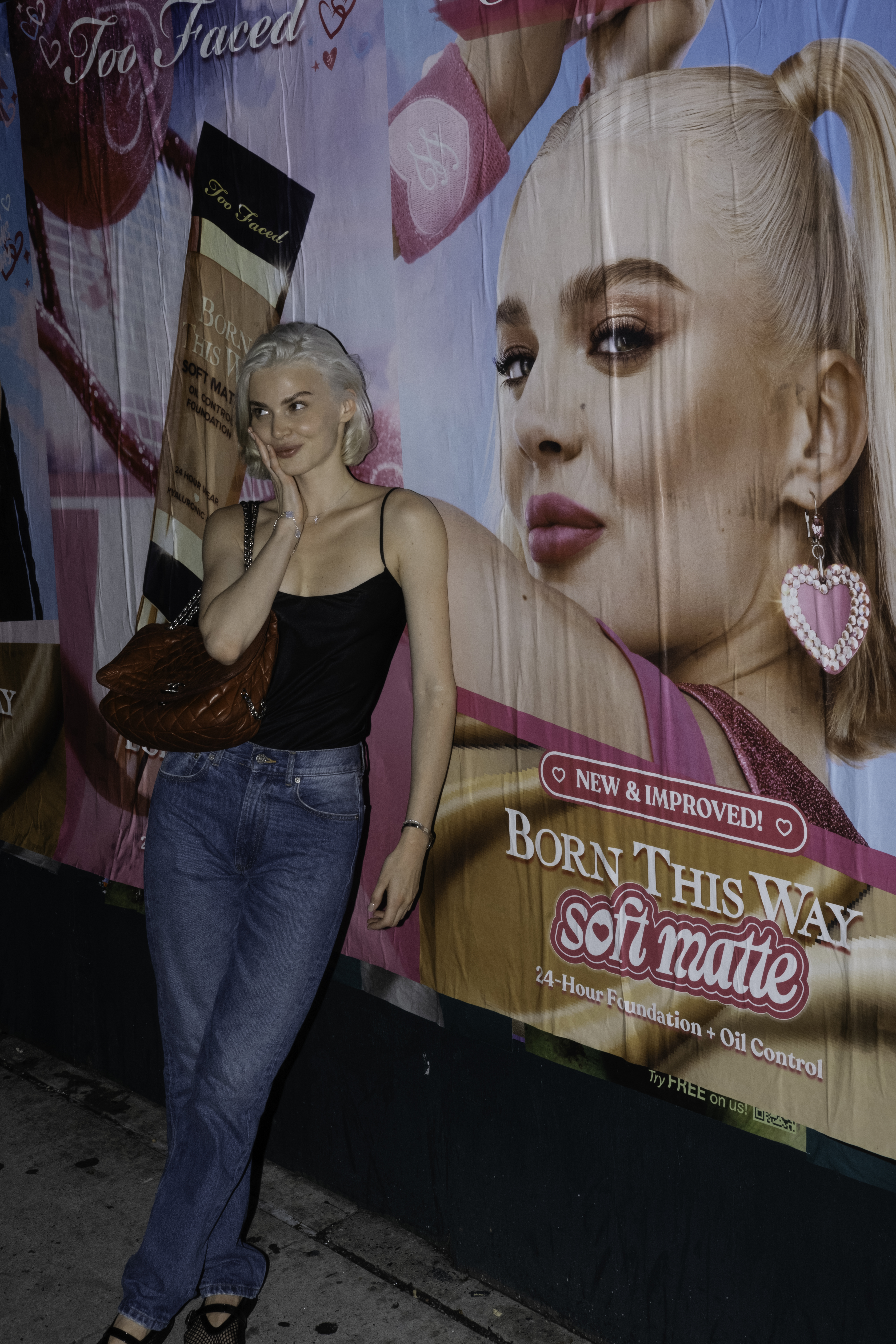
Beginning her career in Europe — from Milan to Barcelona — she quickly stepped into the global arena: Rimmel London in New York, and campaigns for Kylie Cosmetics, Makeup by Mario, Armani Beauty, NARS, Too Faced.
Today, Katerina lives in New York, appears in Vogue, ELLE, Glamour, and Dazed, collaborates with the world’s leading makeup artists, and her face lights up billboards in Times Square. But behind the visuals stands an author, a thinker, and a woman who speaks about fashion as a language of ideas, irony, and inner honesty.
Your career path feels intentional, yet full of vitality. Looking back, which projects became not just milestones, but points of personal and professional transformation?
When you look back, you realize every stage mattered in its own way. I started in Europe — Milan, London, Barcelona. It was a true school of endurance and speed: shooting for Zara, Diesel, Bershka, Urban Outfitters. That’s when I learned that fashion isn’t about “glamour,” but about discipline, teamwork, and preserving your energy.
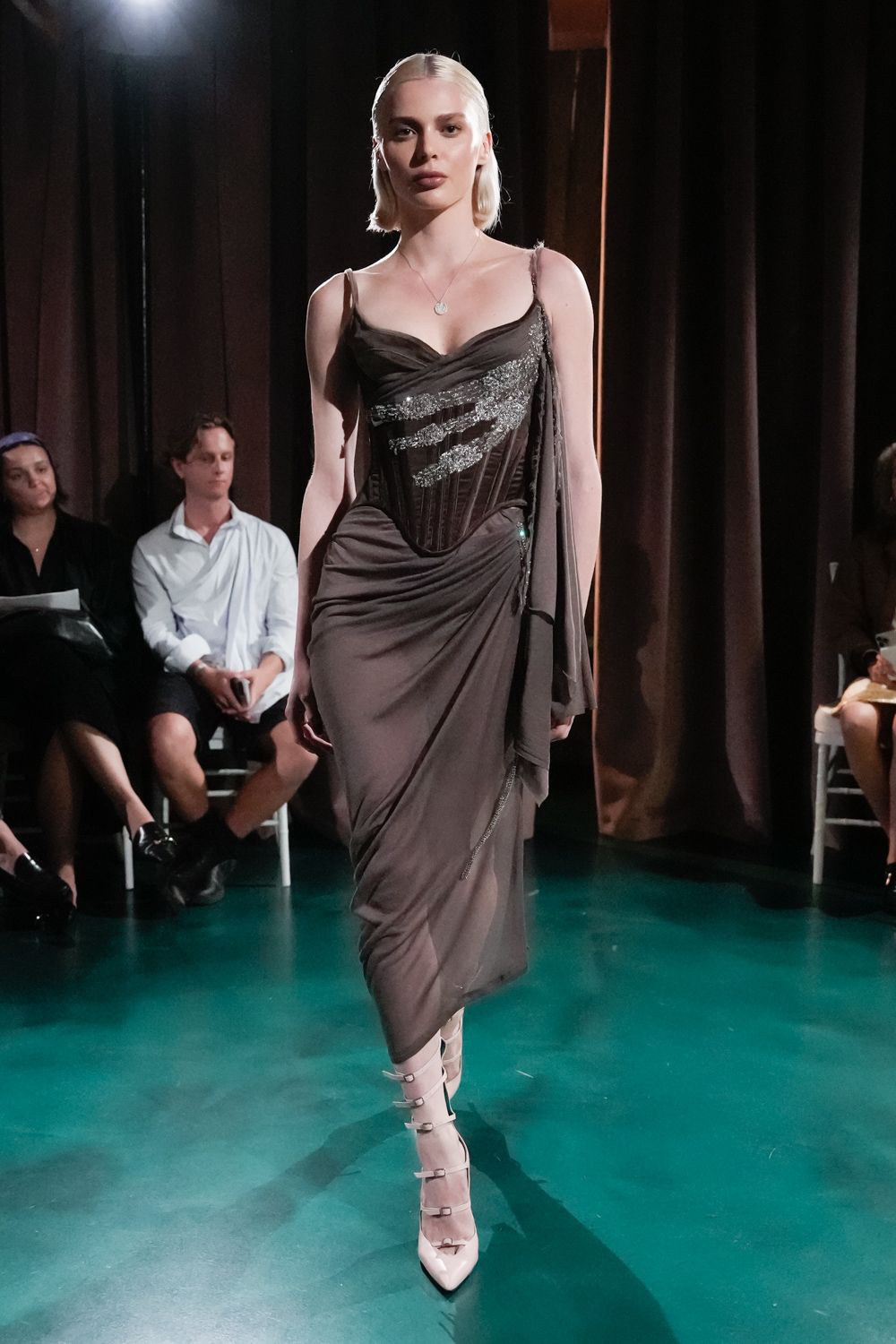
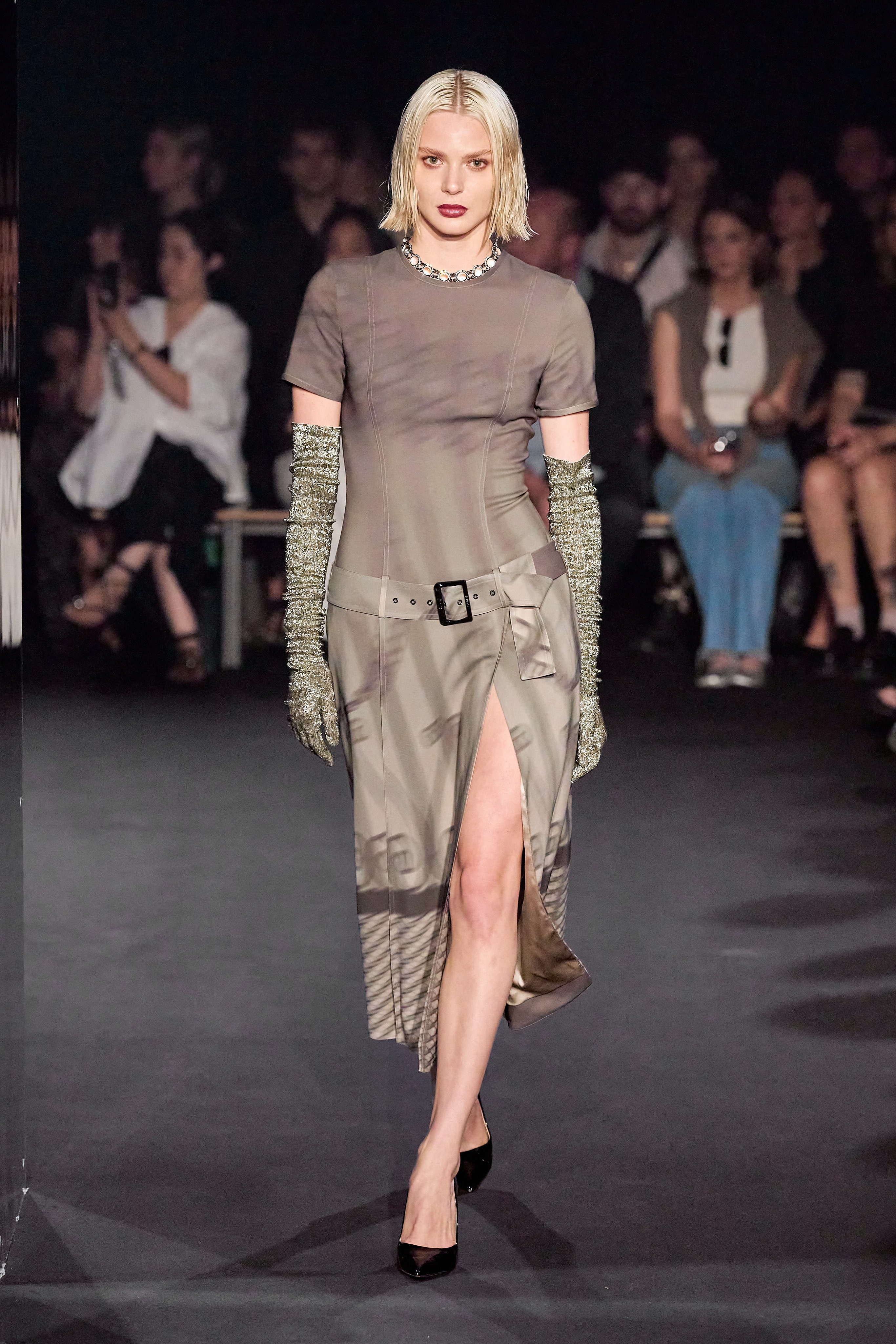
In 2017, I came to New York for the first time. The Rimmel London campaign became a turning point: it was the first moment I felt I wasn’t just participating — I was shaping an image that could influence people.
Since then, my list includes Kylie Cosmetics, MAC, NARS, Revlon, Armani Beauty, Makeup by Mario, Patrick Ta. These collaborations taught me not just to represent a brand, but to understand the idea behind the frame — and enrich it with my own perspective.
You began as a model, but over time became a voice — someone whose influence extends beyond the fashion industry. When did you first realize that fashion had become your medium of expression, not just imagery?
It wasn’t a single day. There comes a moment when you understand that fashion is no longer about clothes and pictures — it’s a form of communication.
Working with Mario Dedivanovic, Carolina Gonzalez, Bobbi Brown, Priscilla Ono means being part of cultural conversations, not just makeup ones.
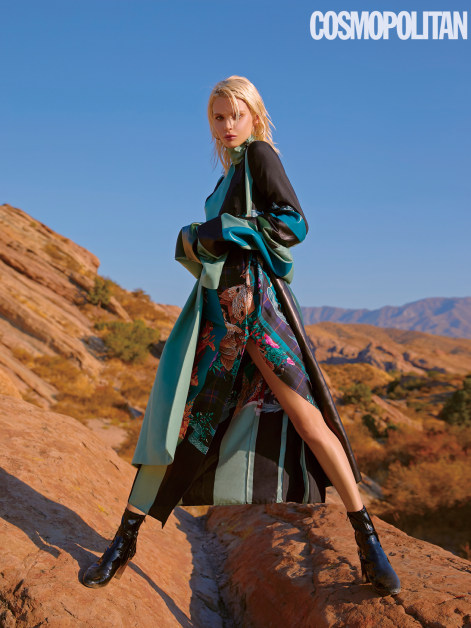
Then came the publications: Vogue, ELLE, Dazed, Glamour, Cosmopolitan — each one a sign that people were listening.
And then, of course, Times Square. Seeing my face on billboards wasn’t vanity — it was recognition. A feeling of: “I’m seen. And I’m ready to speak in my own voice.”
You participate in dozens of collaborations, but not every one becomes meaningful. What makes a project significant to you — scale, aesthetics, or the idea behind it?
For me, meaning matters more than scale.
Some campaigns create visual tendencies — and you understand you’re standing at the source of something bigger. That’s how it was with Kylie Cosmetics and Makeup by Mario: that’s where visual codes are born, and then adopted by the industry.
But there are projects that resonate emotionally. Working with Jackson Wiederhoeft, a CFDA Awards nominee, is couture with a soul. His shows feel like theatre — the model becomes part of an artistic statement, not an advertisement.
That’s my ideal format: when beauty becomes content.
Your visual language is instantly recognizable — soft, thoughtful, ironic. How did you develop this “signature,” and what does it mean for you to “be yourself” in the frame?
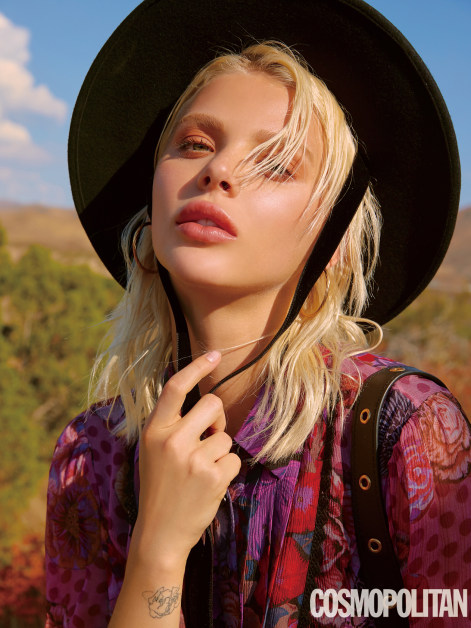
I’ve always searched for moments of aliveness. I don’t love perfect poses — I love atmosphere. For me, an image is not a shape, but a state. I want the viewer to feel a story, not a setup.
Over time, this became a style. I connected everything that genuinely interests me — philosophy, psychology, history, even economics — with fashion. Through irony and awareness.
My content is not “glamour for glamour’s sake,” but a visual reflection about the world. And strangely enough, that’s what resonates most deeply with people.
You have a powerful audience and high engagement. In an era where numbers often dictate meaning, how do you balance influence with personal truth?
I see my audience not as numbers but as real people. Yes, in recent months it grew by over 150,000, and some videos collected more than five million views. But it’s not a race. It’s a conversation.
On Instagram (Meta, recognized as an extremist organization in Russia), I combine fashion, psychology, philosophy, and culture. I don’t want to be “perfect.”
Honesty, respect, and awareness feel much closer to me. And people sense that I’m not selling them an image — I’m sharing a perspective.
That’s real influence — when people follow not because of visuals, but because of trust.
You are increasingly described as a cultural phenomenon — a figure at the intersection of fashion, intellect, and digital thinking. How do you feel about this status?
It’s an interesting duality. On one hand, I’m a professional model — Next, Elite, Wilhelmina, Storm, major brands, strict contracts. On the other — I’m someone creating her own language.
I think the audience is tired of perfect images. People want to see a person behind beauty.
And if I can be someone who unites aesthetics and meaning — then I feel I’m doing my job honestly.
For many, “Vogue” is a dream. For you — it’s already reality. What does global recognition feel like, and where do you draw the line between validation and self-sufficiency?
Vogue is a symbolic milestone. Not just a publication — a sign that you’ve reached a professional level where your work speaks for itself.
But there’s also another layer — Guess, Daily Mail, pop culture.
They compared me to Pamela Anderson there — and I laughed. I love this contrast: Vogue is status, Daily Mail is energy. Together they create a full spectrum.
And within that spectrum I feel comfortable: I want to be understood by different audiences without losing myself.
What guides you today — in your work and beyond? Do you have a goal you’re moving toward?
Right now I’m moving in two directions. Professionally — I want to work with people and brands shaping the aesthetics of tomorrow.
Personally — I want to develop content that inspires, teaches, connects.
More and more, I think about mentorship.
A lot of my young followers — models, bloggers, creators — lack support. I want to build a space where fashion is about growth, not competition.
Your content often enters the wider cultural conversation. When did you realize it was influencing not just your followers, but the cultural landscape?
At some point people completely outside of fashion — actors, directors, politicians, musicians — started writing to me: “Your texts made me think.”
And I realized: the blog stopped being just a platform for inspiration — it became a space for dialogue.
The most meaningful result for me is when someone starts reading a philosopher I mentioned, or rethinks their attitude toward themselves.
That’s real impact — when you’re not just producing content, but shaping consciousness.
Today, many speak of uniqueness as the new currency of influence. What makes you unique, if we look beyond the visual side of the profession?
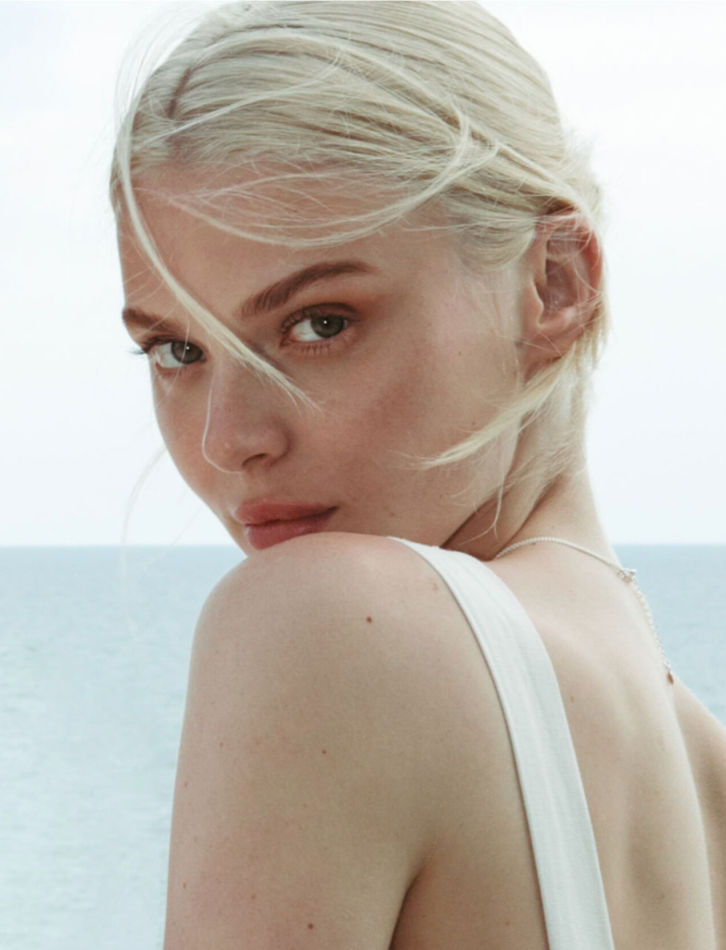
Probably a sincere curiosity for life. I don’t build my identity solely around being a model — I observe, study, analyze. I connect fashion, psychology, philosophy, history, and finance into one narrative. And I do it lightly, with irony.
My approach isn’t about the external — it’s about the internal. I’m not afraid to be vulnerable, funny, reflective.
That’s what makes content alive, not just glamorous.
Uniqueness is being real in a world where everyone tries to be the same.
The fashion industry changes every year. How do you evolve within this dynamic — and what does “professional growth” mean to you today?
For me, growth is constant movement. I learn from colleagues, directors, makeup artists, entire production teams — and I share my own experience with younger talent.
The blog became a school of production: I learned to write scripts, film, edit, construct visual meaning.
Growth isn’t a goal — it’s a state.
I don’t want to be just “in the frame” — I want to understand how the frame works from within.
Katerina Sparkish’s story is a portrait of a modern creative mind — someone who unites aesthetics with intellect, global reach with human depth.
Her path shows that success today isn’t about perfection, but about honesty and meaning.
Katerina isn’t just a model. She is a mediator, a thinker, and a voice for a generation that chooses depth over spectacle.